
Demystifying Travel Guides: How to Choose the Right One for Your Journey
By Joaquin Costa · · 6 min read
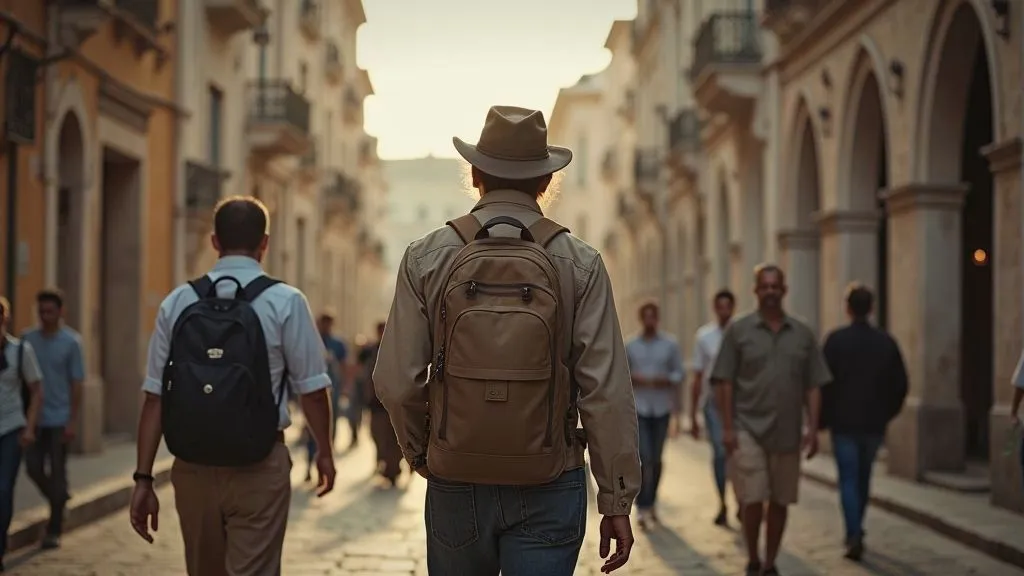
Travel guides have evolved dramatically over the years. Once mere pamphlets filled with highlights, they now range from detailed books to apps that can be interactive and personalized. Yet, as travelers, we often find ourselves asking: how do we choose the right travel guide for our journey? This piece will break down that intricate selection process into various factors, answering pivotal questions that will empower you in your travel decisions.
Why do travel guides still matter in the digital age?
In an era dominated by online resources and mobile applications, it seems questions arise about the relevance of traditional travel guides. Are these thick tomes filled with printed words merely relics of a bygone era?
- Offline Accessibility: Internet connectivity still eludes many travelers, particularly in remote areas. A guidebook ensures that essential information is within reach.
- Curated Content: Travel guides often feature insights and stories that aren’t available online. Expert authors engage with local cultures, offering context and personal experiences. Take Rick Steves, whose European guides focus not just on places but also on the people and traditions.
- Digestibility: While online sources can be overwhelming with information, a travel guide distills experiences into digestible bites. Navigating through chapters or sections can make planning more straightforward.
What specific features should you look for in a travel guide?
When you decide to invest in a travel guide, knowing what features to prioritize is paramount. You should consider factors that cater specifically to your travel style and needs.
-
Map Quality: An excellent travel guide includes clear, detailed maps. Look for guides that offer large-scale maps to facilitate orientation as well as detailed neighborhood maps for city exploration. Consider the Eugene-Lincoln area map in “Moon Oregon,” which provides clear indications of attractions and lesser-known spots.
-
Local Recommendations: Aim for guides that highlight local eateries and attractions. These can offer authentic experiences that aren’t touristic. For instance, “Lonely Planet: Japan” goes beyond sushi and ramen to include lesser-known regional specialties.
-
Transportation Details: Information about local transport options, such as train schedules or bus routes, can save you time and money. “Rough Guides” often excel in local transport advice, covering both common routes and hidden gems.
-
Cultural Insights: Look for guides that focus on deeper cultural nuances. Guides like “Insight Guides” often encompass not just the sites, but festivals, traditions, and local etiquette.
-
Practicalities: Check for sections dedicated to health and safety, customs, and travel tips. This is especially useful for less-traveled regions, where picking up a guide is like having a trusted friend advising you.
How can you verify the credibility of travel guides?
In a sea of available options, it’s essential to discern which guides carry authority and reliability. Assessing credibility can save you from misinformation that can ruin your travel experience.
-
Author Background: Research the authors. Experts who have lived in or extensively traveled through the region will provide better insights than those who merely skimmed through. For example, the “Fodor’s Travel” guides are often penned by local experts or long-time travelers with firsthand experience.
-
Recent Editions: Ensure the guidebook is up-to-date. Check the publishing date and skim through to confirm current details, particularly concerning restaurants, accommodations, and transportation.
-
User Reviews: Read online reviews and experiences shared by fellow travelers. Websites like Goodreads can provide various perspectives on the effectiveness of specific guides.
-
Publisher Reputation: Some publishers have established a reputation over decades. For instance, the “Insight” and “Moon” brands typically deliver quality information. Their commitment to accuracy and detail has garnered a loyal readership.
What are the differences between various formats of travel guides?
As much as it matters which travel guide you choose, the format plays a crucial role in how that information is consumed. The landscape of travel guides includes books, apps, websites, and even audio guides. Each format has its own advantages and disadvantages.
-
Print Travel Guides: Traditional, tactile, and easy to annotate. These are useful for in-depth exploration and less reliant on battery life. However, the downside can be bulkiness.
-
Travel Apps: These provide a wealth of interactive features, like user-generated reviews and real-time updates. An app like “TripAdvisor” allows you to browse based on current traveler experiences, which can be invaluable. However, it requires a good data connection.
-
Web-Based Guides: Websites can be continuously updated, offering the latest info. The downside? The overwhelming amount of information can lead to confusion rather than clarity.
-
Audio Guides: These can enhance the experience by providing contextual storytelling while you explore. Various museum offerings present a narrative that complements the visual aspect quite well, but they require an upfront commitment to download or purchase.
How do you tailor a travel guide to your unique itinerary?
Not all trips are created equal. Personalizing your travel guide for specific experiences can lead to more engaging adventures. There’s no one-size-fits-all; this is about curating based on your interests.
-
Identify Your Travel Style: Whether you’re a backpacker seeking budget accommodations or a luxury traveler craving opulence, different guides cater to diverse styles. A guide like “Rick Steves” is perfect for cultural enthusiasts, while “Rough Guides” often focuses on the adventurous traveler.
-
Focus on Interests: If you’re a foodie, prioritize guides that delve into culinary experiences. “Gault&Millau” specializes in culinary travel, spotlighting restaurants, markets, and local delicacies, making it an excellent choice for epicureans.
-
Create a Flexible Itinerary: Use the guide to sketch a fluid itinerary that allows for spontaneity. Some travel guides, like the “Eyewitness Travel” series, focus on iconic sites but leave room for unexpected explorations.
-
Leverage Local Insights: Look for segments on festivals or events happening during your visit. This can set your trip apart. For example, the “Lonely Planet” guide to Thailand often features local festivals, connecting travelers with authentic cultural experiences.
Why should you consider multiple guides for a single destination?
Travel is not a monolith; different perspectives can deepen your understanding of a destination. Why limit yourself to one perspective when the world of travel literature offers such variety?
-
Diverse Viewpoints: Each travel guide has its angle. “Fodor’s Travel” might highlight luxury experiences, while “Backroads” focuses on adventure and outdoor activities. Combining their insights creates a multifaceted view of your destination.
-
Data Variation: Information can change rapidly. One guide might have outdated restaurant listings, while another might hone in on hidden gems. Cross-referencing gives you the best chance of accessing current information.
-
Strengthen Exploration: There’s a thrill in discovering a new place through multiple lenses. One guide can lead you to historical landmarks, while another directs you to vibrant street art. This helps paint a more nuanced picture.
-
Affordability vs. Luxury: Different guides often cater to different budgets. Seeking out a variety can help you find the right balance between cost and experiences. This allows for a more tailored trip that meets your financial constraints while ensuring enriching experiences.
What’s next in the world of travel guides?
As technology continues to influence how we navigate our world, travel guides will evolve further. The rise of AI-generated content, local experiences shared via social media, and augmented reality add layers to the travel guide landscape. What will be the next significant shift? How will travelers adapt?
On a personal note, as an avid traveler and constant seeker of adventure, I believe we have only scratched the surface of what travel guides can offer. As we explore this new terrain, one question rises above the rest: How can we adapt the tools at our disposal to enrich not only our travel experiences but also our understanding of the cultures we encounter?
This question lingers, beckoning us to rethink not just how we travel, but why. The world awaits — let’s not just go; let’s discover.