
Unlocking the Secrets of Travel Guides: The Number You Didn't Expect
By Joaquin Costa · · 6 min read
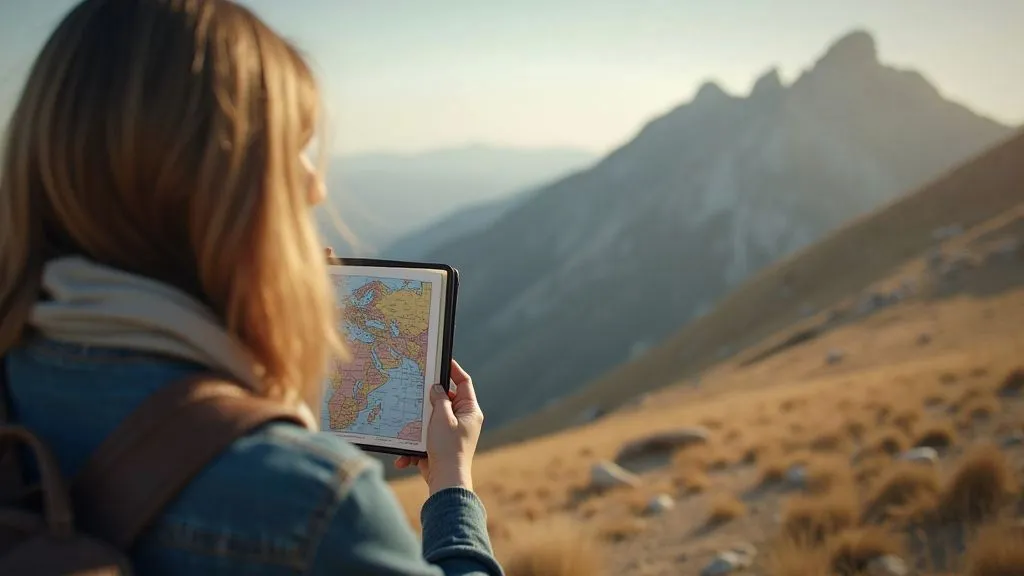
Imagine this: a staggering 72% of travelers rely on travel guides to plan their journeys. That’s a number that seems almost too high to believe when we live in a digital age bursting with information. Yet, here we are, surrounded by a plethora of apps, blogs, and social media influencers, and still, the classic travel guidebook reigns supreme. Why does this old-school resource still hold such sway? This article aims to peel back the layers of that statistic, revealing what it signifies about travelers today and what you should be mindful of when choosing your next guide.
The Trusted Companion
First, let’s dissect why travel guides maintain their allure. For one, they offer a curated experience. In an era overflowing with online content, filtered through algorithms aiming to promote the loudest voices, the beauty of a travel guide lies in its editorial choices. It condenses vast information into digestible insights.
- Expertise: Compiled by seasoned travelers or local experts, guides bring authenticity.
- Organization: By categorizing experiences, they make planning intuitive.
- Longevity: Guides are often revised and updated, providing a sense of reliability.
But that reliability is not always guaranteed. Some less experienced authors might prioritize sensational spots over hidden gems. This could lead travelers astray if they are simply following the beaten path.
The Counterintuitive Reality of Reality
So, why do 72% lean on these guides? It seems counterintuitive considering all the other options. Yet, it underscores a longing for tangible experiences amid the digital noise. Travelers desire more than mere information; they seek connection. A well-crafted guide can kindle wanderlust, offering stories that weave together a locale’s cultural fabric.
Consider this: a travel guide might include personalized recommendations from the author—such as a quaint café turned local favorite, or a hilltop view that most visitors miss. This personalization transforms a simple trip into a memorable experience.
Beyond the Basics: What Should You Measure?
As you survey your travel options, watch for specific elements that can enhance your journey. Pay attention to:
- Cultural Insights: Does the guide discuss local customs, etiquette, and festivals? Guides that go beyond the surface can offer dimensions of understanding.
- Transportation Tips: Not just routes, but also insights about local transport etiquette or hidden shortcuts that could save time.
- Budgeting Advice: Recommendations for affordable yet rewarding experiences can stretch your travel dollar.
- Local Voices: Look for guides that include quotes or stories from locals—these narratives ground your experience in reality.
Identifying Bias and Authenticity
While the traditional travel guide is a treasure trove, biases often creep in. What does this mean for you? As you sift through guides, assess their authenticity.
- Author Background: Who wrote it? A local? A weary tourist with a mission? The author’s background influences the perspective you’ll receive.
- Publication Date: Is the guide new? Or is it a reissue from five years ago? Old guides might miss out on recent changes in the area.
Navigating the Digital Landscape
Interestingly, the rise of digital travel platforms hasn’t eroded the reliance on traditional guides; instead, they’ve complemented it. Digital travel guides provide dynamic content, but sometimes they lack the depth and context found in printed versions.
Many travelers now blend both mediums. They consult a well-reviewed guidebook for foundational knowledge and reference apps for real-time updates. Here’s how:
- Use apps for local events: Find out what’s happening in real time.
- Cross-reference: Check the digital resources for recent reviews or changes that the printed guide might not capture.
The Allure of Stories
Travel guides that sprinkle storytelling throughout their pages can heighten their charm. Travelers respond to narratives, and anecdotes can be effective in transporting readers to the destination before they even arrive.
Focus on guides that emphasize:
- Personal Journeys: What did the author experience? Their highs and lows?
- Local Legends: Folktales and historical narratives can provide depth to your itinerary.
The Need for Specificity
Always look for guides that cater to your particular niche of travel. Given that travelers’ needs are diverse, here are some areas where specificity can make a difference:
- Adventure vs. Leisure: A guide focusing on adrenaline-fueled activities will differ drastically from one that emphasizes relaxation and wellness retreats.
- Family-Friendly Options: Are activities suitable for children highlighted? Parents should seek out guides that cater to family travel.
- Culinary Adventures: If food is your priority, find guides that provide recommendations based on regional cuisine experiences, not just generic eateries.
Exploring Edge Cases: The Untold Stories
Not every guide captures every experience. What about travelers looking for unique twists? Off-beat adventures often escape the mainstream narrative, and identifying these can create memorable journeys.
- Volunteer Opportunities: Some guides highlight ways to engage with local communities positively.
- Eco-Conscious Travel: Guides focusing on sustainable practices can enhance your experience while minimizing your footprint.
- Local Workshops: Engage with artisans or learn traditional crafts—these experiences offer immersive engagement.
Tips for Evaluating Travel Guides
How do you sift through options to find the ideal guide? Here’s a strategy:
- Skim Through Chapters: Focus on the layout. Does it visually communicate information effectively?
- Read Sample Sections: Take a look at the tone. Is it conversational, authoritative, or dry?
- Review User Feedback: Check out reader reviews or ratings—what do other travelers have to say?
- Assess Recommendations: Look for diverging opinions; reputable guides often encourage you to explore beyond their own recommendations.
Understanding Your Demographics
Different travel guides cater to various demographics. Tailor your choice based on who you are traveling with:
- Solo Travelers: Guides focusing on safety tips, solo-friendly activities, and social hubs can be invaluable.
- Couples: Seek out romantic suggestions, secluded spots, or date ideas.
- Groups: Look for guides that offer collective activities, ranging from group tours to shared accommodations.
A New Era of Travel Guides
The evolution of travel guides invites exploration. With the rise of social media, travelers are exposed to real-time experiences from around the world. The takeaway? Use these insights to complement your guide.
Social platforms often showcase what’s trending in real time, presenting opportunities for spontaneous adventures or hidden gems that aren’t captured in print. This fusion of resources enriches your travel planning.
Proven Best Practices for Happy Travels
As you embark on your adventure, keep these best practices in mind to enhance your travel experience:
- Stay Flexible: While guides provide valuable frameworks, be open to unexpected opportunities along the way.
- Engage with Locals: Their recommendations can lead to unforgettable moments and experiences that a guide might overlook.
- Document Your Journey: Take notes on what worked and what didn’t, shaping your future travel choices.
Measuring Your Experience
Finally, how do you quantify your travel experience? Here are several metrics to keep in mind:
- Satisfaction Rating: Rate your experiences after each day. What exceeded expectations? What fell flat?
- Cultural Engagement: Reflect on how much local culture you engaged with beyond tourist hotspots.
- Budget Tracking: Keep a journal of how well you adhered to your budget. What recommendations proved valuable?
Fine-Tuning Your Travel Planning Skills
The world of travel guides is vast and complex. They’re not just books filled with information; they hold the power to transform how you experience a destination. As you confront that 72% statistic, remember that travel guides are not merely tools—they’re companions on your journey.
By understanding their strengths and limitations, you’ll find better ways to make informed choices that resonate with your travel style. So, the next time you flip through a travel guide, look deeper. What insights can you extract? What hidden experiences await your discovery?
Keep these considerations at the forefront of your travel planning. They’re your roadmap to more enriching adventures. There’s a world of stories waiting for you to uncover.